Catnip Toys: Everything You Need to Know About Your Cat’s Favorite Obsession
If you’ve ever dangled a catnip mouse in front of your cat and watched them go from zero to absolutely feral in seconds, you already know the magic of catnip. But what’s actually going on, why do cats love it so much, and how do you choose the right catnip toy for your feline friend? Let’s dive in.
What Is Catnip, Exactly?
Catnip (Nepeta cataria) is a flowering herb in the mint family, and it’s completely natural and safe for cats. The plant contains a compound called nepetalactone, found in its leaves and stems, which binds to receptors in your cat’s nose and triggers a euphoric response. The result? Rolling, rubbing, vocalizing, drooling, and general blissed-out behavior that can last anywhere from five to fifteen minutes.
After that burst of excitement, most cats become temporarily immune to catnip’s effects for about 30 minutes before they can be “reset” and enjoy it all over again.
Does Every Cat React to Catnip?
Here’s a fun fact that surprises many cat owners: not all cats respond to catnip. Sensitivity to nepetalactone is actually hereditary, and roughly 50 to 70 percent of cats carry the gene that makes them susceptible to its effects. Kittens under six months old typically don’t react either, as the response doesn’t kick in until cats reach sexual maturity.
If your cat seems completely indifferent to catnip, don’t worry — they’re not broken. You might try silver vine or valerian root, which are alternative herbs that tend to work on cats who are catnip-indifferent.
Types of Catnip Toys
Walk into any pet store and you’ll be met with an overwhelming wall of catnip options. Here’s a breakdown of the most popular types and what makes each one worth considering.
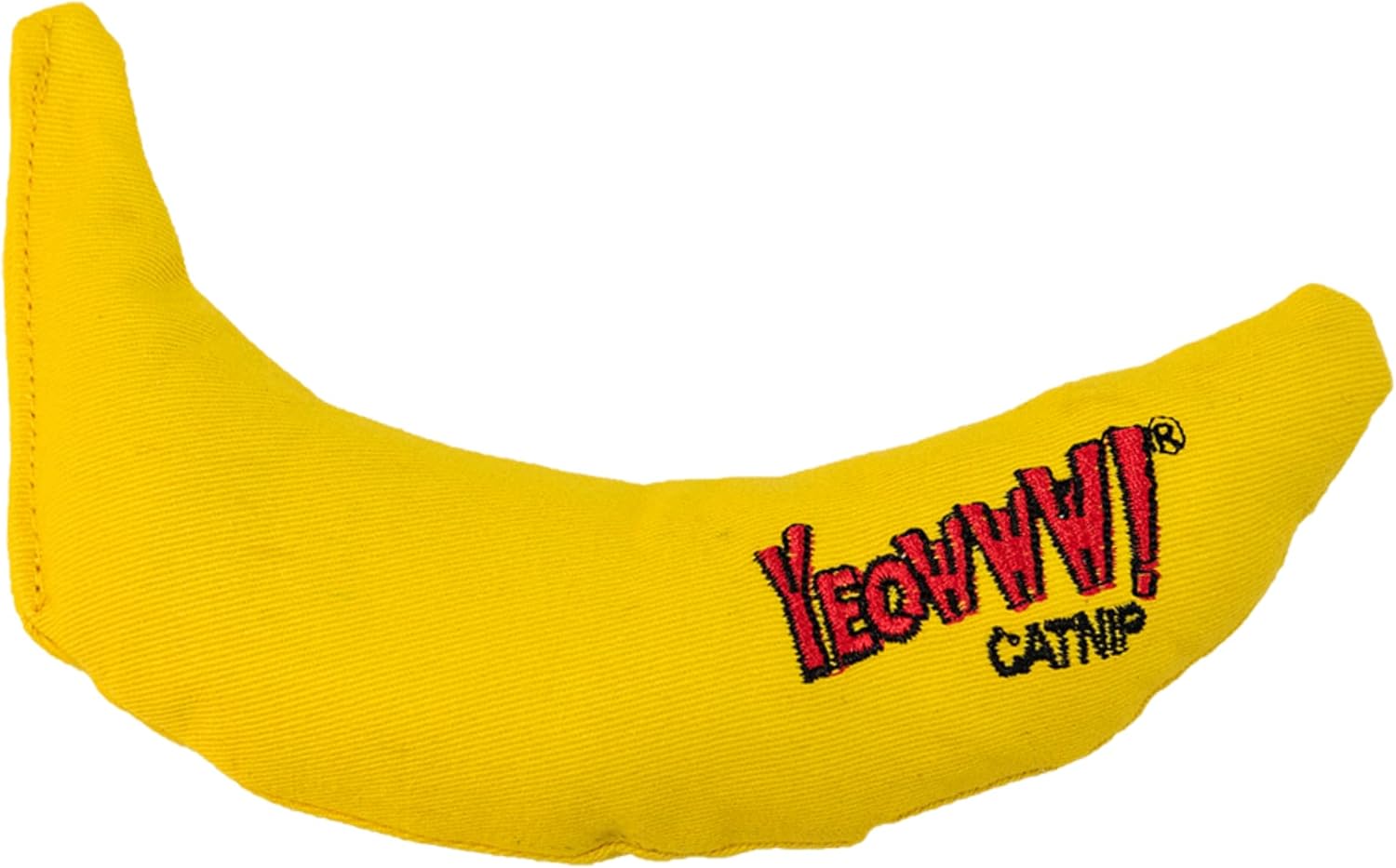
Stuffed plush toys are probably the most classic option — think mice, fish, and small animals filled with dried catnip. These are great for cats who like to bunny-kick and wrestle with their prey. Look for ones with reinforced stitching, since an enthusiastic cat can disembowel a plush toy in record time.
Catnip pillows and pouches are simple fabric sachets filled with dried catnip. They’re low-cost, easy to refresh, and beloved by cats who prefer rolling and rubbing over active play. Many cat owners tuck these into beds or scratching posts to make those areas more appealing.
Catnip balls and kickers are designed for cats who want to bat something around the floor or hold it while they kick furiously with their back legs. Kicker-style toys are especially great for active cats who need an outlet for their hunting instincts.
Interactive wand toys with catnip combine the appeal of catnip with the bonding experience of interactive play. Feather wands and teasers infused with catnip are a wonderful way to engage your cat while also giving them a workout.
Catnip spray isn’t a toy itself, but it deserves a mention. You can use catnip spray on existing toys, scratching posts, or bedding to reactivate old favorites or encourage your cat to use something new.
How to Choose the Right Catnip Toy
The best toy for your cat depends on their personality and play style. Here are a few things to consider:
Activity level. High-energy cats who love to run, leap, and pounce will get more out of balls, kickers, and wand toys. More laid-back cats often prefer stuffed pillows they can rub their face on and carry around.
Quality of catnip. Not all catnip is created equal. Look for toys that use organic, high-quality catnip — the potency makes a huge difference in how enthusiastically your cat responds. Fresh catnip is generally more effective than dried catnip that’s been sitting on a shelf for months.
Durability. If your cat is a dedicated destroyer, skip the flimsy fabric toys and go for something with thick stitching, canvas material, or even hemp fabric. You’ll save money in the long run and reduce the risk of your cat swallowing loose stuffing.
Safety. Avoid toys with small plastic eyes, loose strings, or other tiny parts that could be chewed off and swallowed. When in doubt, supervise your cat’s play, especially with a new toy.
Refreshing and Storing Catnip Toys
Catnip loses its potency over time as the nepetalactone evaporates. To get the most out of your cat’s toys, store them in an airtight container or zip-lock bag when not in use. You can also refresh worn-out toys by rubbing fresh dried catnip into the fabric or adding a spritz of catnip spray.
If a toy has a zippered or velcro pocket, you can replace the catnip filling entirely — a great eco-friendly option that extends the life of your cat’s favorite toy considerably.
Is Catnip Safe?
Yes! Catnip is non-toxic and non-addictive for cats. Even if your cat ingests a little while playing, it’s perfectly harmless — they may just experience a milder, more relaxed response compared to the wild-eyed sniffing reaction. The only scenario to be cautious about is overexposure; if your cat has access to catnip all day every day, they can become desensitized to it. Treating catnip toys as a special occasion item keeps the magic alive.
The Bottom Line
Catnip toys are one of the simplest, most affordable ways to enrich your cat’s life and encourage healthy play behavior. Whether your cat is a frenzied roller, an aggressive kicker, or a mellow sniffer, there’s a catnip toy out there perfectly suited to their personality. A little experimentation goes a long way — and watching your cat discover a new favorite toy is one of the genuine joys of being a cat parent.